Scott 3200A Tailwheel – Fully Rebuilt: Reliable Aircraft Ground Handling Performance
Scott 3200A Tailwheel – Fully Rebuilt: Reliable Aircraft Ground Handling Performance
Blog Article
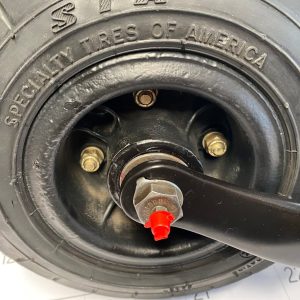
The Scott 3200A Tailwheel – Fully Rebuilt combines an established aviation design with inspected, serviced, adjusted, and replaced components intended to restore dependable mechanical operation. Clear rebuild records help aircraft owners and maintenance professionals evaluate the tailwheel before installation.
A Scott 3200A Tailwheel Assembly can contribute to controlled taxiing, parking, takeoff alignment, landing rollout, and maneuvering in confined ramp areas. The Scott Tailwheel Assembly may contain bearings, bushings, springs, steering pawls, arms, wheel components, axle hardware, fasteners, and internal wear surfaces.
The Aircraft Tailwheel Assembly carries tail loads while allowing the aircraft to taxi, turn, park, take off, and land on suitable surfaces. The General Aviation Tailwheel should be selected according to aircraft weight, tail load, wheel size, spring arrangement, steering configuration, runway environment, and installation requirements.
Whether the project involves a Tailwheel Steering Assembly, Aircraft Ground Handling Tailwheel, or Scott 3200 Series Tailwheel, professional installation remains important.
Understanding the Scott 3200A Tailwheel
Its established design makes it suitable for consideration in restoration projects, utility operations, bush flying, private ownership, and flight training. Maintenance personnel should inspect the complete tailwheel arrangement before concluding that one component is responsible for steering difficulty or shimmy.
Benefits of the Scott 3200A Tailwheel Assembly
Suitable internal clearances and secure steering components contribute to consistent performance. Reusable parts may remain acceptable when they pass inspection, while worn or damaged components should be replaced appropriately.
Scott Tailwheel Assembly Rebuild Process
A thorough rebuild generally begins with complete disassembly, careful cleaning, detailed inspection, and measurement of wear-sensitive areas. Transparent rebuild information supports stronger commercial credibility and buyer confidence.
Aircraft Tailwheel Assembly Maintenance
The assembly should move freely enough for intended operation while avoiding uncontrolled swivel or excessive looseness. Weak, broken, or mismatched steering springs may reduce directional response or create irregular control.
General Aviation Tailwheel Applications
Maintenance intervals should reflect actual operating conditions rather than calendar time alone. Experimental aircraft installations should be evaluated according to the builder’s configuration and applicable operational requirements.
Choosing an Aircraft Tailwheel
The tailwheel contributes to directional control as the aircraft transitions between stationary, taxi, acceleration, deceleration, and landing rollout. A serviceable tire-and-wheel arrangement supports the work completed within the steering mechanism.
Maintaining a Taildragger Tailwheel
The Taildragger Tailwheel should be treated as an important ground-control component rather than a minor accessory. Maintenance should address both ordinary wear and damage following unusual ground events.
Understanding an Aviation Tailwheel System
A problem in one area can create symptoms elsewhere in the installation. Correct setup supports consistent Aviation Tailwheel System operation.
Choosing a Tailwheel Steering Assembly
A professional rebuild should address the complete Tailwheel Steering Assembly rather than only visible exterior parts. The mechanism should not interfere with surrounding structure, chains, springs, fairings, or nearby aircraft components.
Aircraft Ground Handling Tailwheel
An Aircraft Ground Handling Tailwheel supports controlled movement during taxi, parking, towing, hangar positioning, and ramp maneuvering. Towbars and handling equipment should match the aircraft and remain clear of vulnerable tailwheel components.
Scott 3200 Series Tailwheel Heritage
Operators may value the availability of maintenance experience and replacement components for suitable configurations. Accurate information reduces ordering mistakes and improves buyer confidence.
Choosing a Heavy-Duty Aircraft Tailwheel
Rugged operations may involve gravel, grass, dirt, uneven surfaces, frequent cycles, contamination, and repeated loading. Durability depends on structural condition, bearing service, steering-spring integrity, wheel alignment, lubrication, tire condition, and correct installation.
Tailwheel Aircraft Parts
Correct Tailwheel Aircraft Parts protect the integrity and performance of the rebuilt assembly. Replacing only the most obvious damaged component may not correct the underlying issue.
Choosing an Aircraft Steering Tailwheel
Consistent steering can reduce unnecessary brake use and improve maneuverability in confined locations. A complete review supports reliable Aircraft Steering Tailwheel performance.
Benefits of a Replacement Aircraft Tailwheel
The removed assembly can provide useful measurements, markings, hardware details, and steering-arm orientation. Rebuild documentation should accompany the assembly when available.
General Aviation Landing Gear Parts
General Aviation Landing Gear Parts include tailwheels, nose gear components, main gear assemblies, wheels, tires, brakes, bearings, check here springs, steering parts, and mounting hardware. Transparent descriptions support trust among aircraft owners, sellers, and maintenance professionals.
Rebuilt Tailwheel Buying Checklist
The buyer should request enough information for a qualified maintenance professional to review the assembly before purchase.
- Resolve identification, compatibility, and completeness questions before payment.
- Confirm whether retained components passed inspection and whether replacement parts were appropriate for the assembly.
- Report missing parts, shipping damage, rough operation, identification discrepancies, or incomplete documentation according to the agreed terms.
Professional Scott 3200A Installation
Every fastener and component should match the intended installation and remain properly secured. The tailwheel should move through its intended range without binding, abnormal looseness, interference, or contact with surrounding components.
Professional follow-up adjustment may be necessary after initial operation.
Protecting a Rebuilt Tailwheel Assembly
The rebuilt assembly should be inspected according to aircraft use, operating surface, maintenance requirements, and observed condition. Early attention supports reliable long-term operation.
Hardware and moving areas should remain visible enough for inspection.
Scott 3200A Tailwheel Conclusion
The Scott 3200A Tailwheel – Fully Rebuilt offers meaningful commercial value when the work performed is transparent and the complete package is described accurately. The assembly should be judged according to total installation suitability rather than fresh paint, brand recognition, appearance, or price alone.
Whether the aircraft operates from pavement, grass, gravel, dirt, private strips, utility fields, or backcountry airfields, the tailwheel should match the actual aircraft and operating environment. With verified compatibility, correct installation, professional steering adjustment, suitable lubrication, and routine inspection, the assembly can provide dependable long-term value.
Report this page